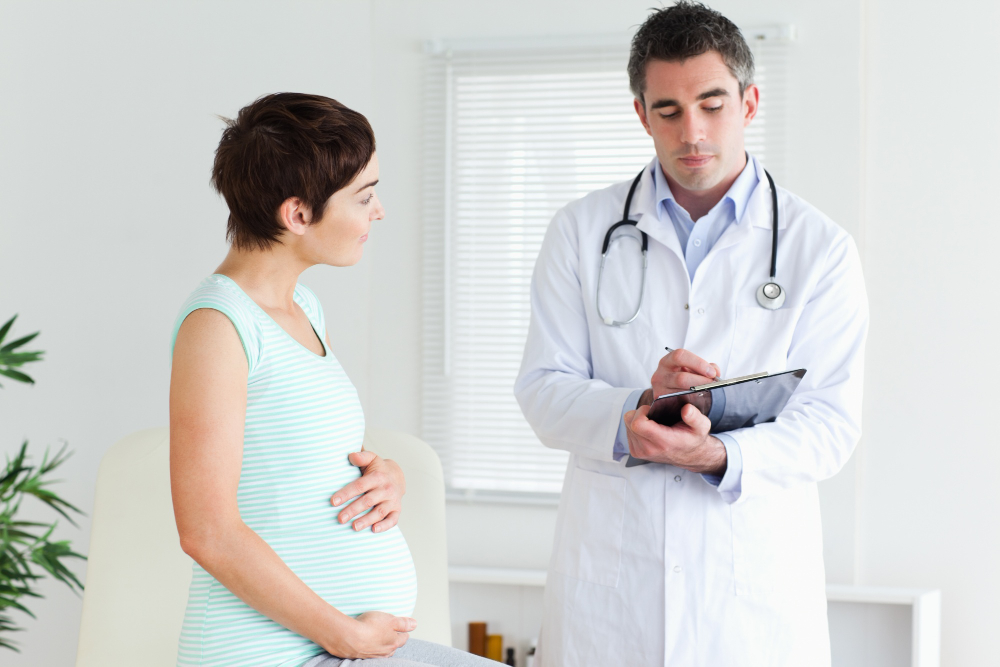
Overview of the First Trimester
The first trimester is the first 12 weeks of pregnancy. During this time, your body goes through many changes. For many, first trimester pregnancy care is important for a healthy start. Early pregnancy tips can help you feel prepared. Because your baby’s organs begin to form, this stage is very important. Proper care now can support your baby’s growth and your own health.
Common Symptoms and Bodily Changes
Most people notice changes soon after pregnancy begins. However, every person’s experience is unique. You may notice:
Although these symptoms are common, they can vary. If you have concerns, talk to your healthcare provider. Sometimes, symptoms may be mild or not appear at all.
Important Prenatal Checkups and Screenings
Early prenatal care is key for a healthy first trimester. Your doctor will likely schedule your first visit soon after you learn you are pregnant. During this visit, you may have:
In some regions, extra tests may be needed based on local health risks. For example, in areas with high rates of certain diseases, your doctor may suggest more screenings. Always follow your provider’s advice for first trimester pregnancy care.
Nutrition and Lifestyle Recommendations
Eating well is very important during early pregnancy. For a healthy first trimester, try to:
Because your baby’s organs are forming, good nutrition helps support healthy growth. If you have special dietary needs, ask your doctor for advice.
Safe Physical Activities
Staying active can help you feel better during pregnancy. However, always check with your doctor before starting any new activity. Most people can safely do:
But, avoid activities with a high risk of falling or injury. If you feel dizzy or short of breath, stop and rest. Regular movement can ease some pregnancy symptoms, like back pain or fatigue.
Warning Signs to Watch For
While most symptoms are normal, some signs need quick medical attention. Contact your healthcare provider if you notice:
Because early care can prevent problems, do not wait if you feel something is wrong.
Tips for Emotional Well-Being
Pregnancy can bring many emotions. Sometimes, you may feel happy, worried, or even sad. To support your mental health:
If you feel very anxious or depressed, let your doctor know. Early support can make a big difference.
Prevention and Risk Reduction Strategies
There are steps you can take to lower risks during the first trimester. For example:
Because each pregnancy is different, your doctor may have more tips for you. Following these steps can help you have a healthy first trimester.
Conclusion
In summary, first trimester pregnancy care is vital for you and your baby. With early pregnancy tips, good nutrition, and regular checkups, you can support a healthy start. If you have questions or concerns, consult Dr. Kavitha MR at Nyle Hospital for personalized first trimester pregnancy care.