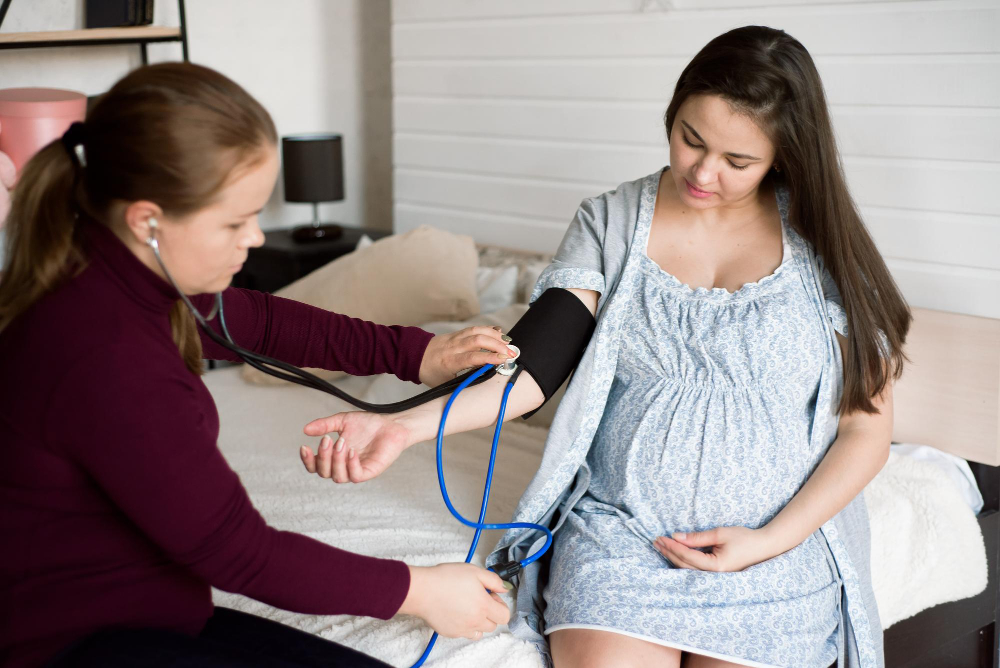
What is Postpartum Hypertension?
Postpartum hypertension means having high blood pressure after pregnancy. Usually, it develops within six weeks after giving birth. Sometimes, it can happen even if you did not have high blood pressure during pregnancy. For many women, this condition can be serious. It may lead to other postpartum complications if not treated. Therefore, knowing about postpartum hypertension is important for every new mother.
Why Is It Important to Know the Risk Factors?
Understanding the risk factors for postpartum hypertension helps you stay alert. Early detection can prevent serious health problems. In addition, knowing your risks allows you to take steps to protect your maternal health. For example, you can make healthy choices and seek help sooner. In the United States, postpartum complications are a leading cause of maternal health issues. So, learning about these risks is key for new mothers and their families.
Major Risk Factors for Postpartum Hypertension
Several factors can increase your chance of developing high blood pressure after pregnancy. Below are the most common risk factors:
According to the CDC, these risk factors can make postpartum hypertension more likely. However, even women without these risks can sometimes develop high blood pressure after pregnancy.
How to Reduce Your Risk
While you cannot change some risk factors, you can take steps to lower your risk. Here are some practical tips:
Additionally, talk to your healthcare provider about your personal risk factors. They can help you create a plan to protect your health.
When to Seek Medical Help
It is important to know when to call your doctor. Seek medical help right away if you notice:
These symptoms can be signs of serious postpartum complications. Early treatment can prevent further problems and keep you safe.
In summary, knowing the risk factors for postpartum hypertension can help you stay healthy after pregnancy. If you have concerns about high blood pressure after pregnancy or need personalized advice, consult Dr. Kavitha MR